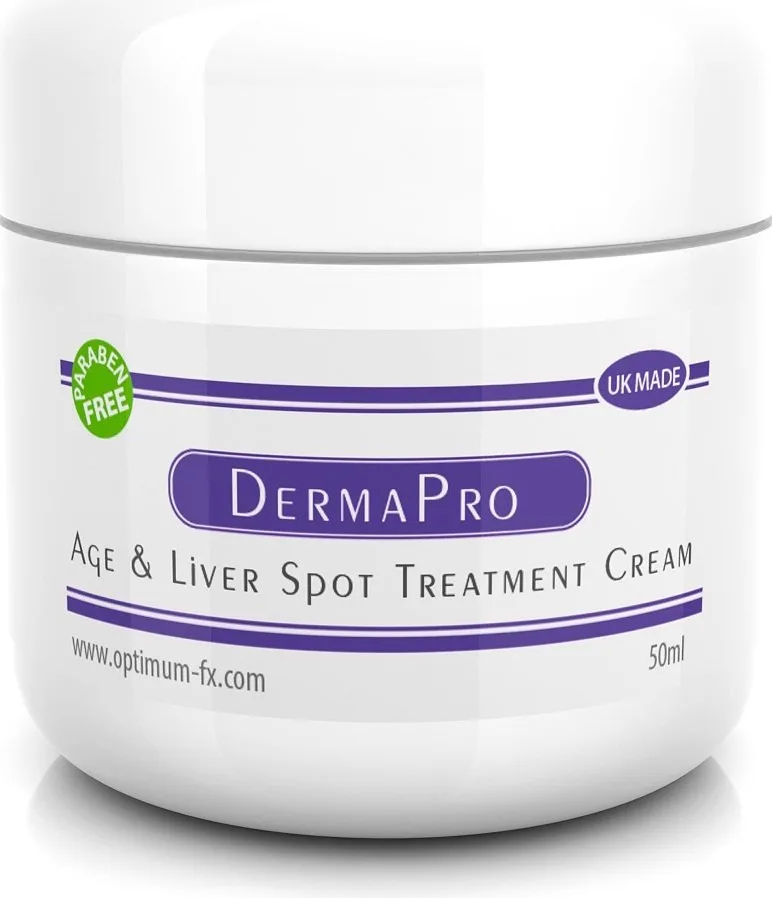
Are those seemingly harmless brown spots on your skin stealing your youthful glow? The presence of liver spots, or age spots, is a common and often unwelcome sign of aging, primarily stemming from cumulative sun exposure.
These flat, small dark areas, medically known as solar lentigines, are typically found on sun-exposed areas like the face, hands, arms, shoulders, and even the scalp. They arise due to the overproduction of melanin, the pigment responsible for skin color, in response to ultraviolet (UV) light. While not inherently dangerous, liver spots can be a cosmetic concern for many. Understanding their causes and exploring the available treatment options is the first step in managing these pesky spots and regaining a more even skin tone.
Let's delve into the core of this issue and explore strategies to address these age-related blemishes.
So, what exactly triggers the development of these spots? It's a simple equation, really: time plus sun exposure. When UV light hits your skin, it stimulates melanocytes, the cells that produce melanin. Over time, and with repeated sun exposure, these melanocytes can become overactive, leading to a localized accumulation of melanin and, consequently, the formation of liver spots. This process is exacerbated by factors such as:
Sun exposure: This is the primary culprit. Prolonged exposure to the sun without adequate protection is the leading cause.
Age: As we age, our skin becomes more susceptible to sun damage.
Skin type: Individuals with lighter skin tones are generally more prone to developing liver spots.
Genetics: A family history of liver spots can increase your risk.
Medical treatments: Radiation therapy can also contribute to their development.
It's crucial to remember that liver spots are usually harmless. However, any changes in their appearance, such as rapid growth, irregular borders, or color variation, should prompt a visit to a dermatologist to rule out other skin conditions, including skin cancer.
Fortunately, the cosmetic bothers of liver spots can be addressed through a variety of treatments. Let's look at what the options are:
Topical Treatments:
Prescription Bleaching Creams: Creams containing hydroquinone, either used alone or in combination with retinoids (tretinoin) and a mild steroid, can gradually fade the spots over several months. These creams work by reducing melanin production. Be aware that these treatments might cause temporary side effects like itching, redness, burning, or dryness.
Lightening Creams: Similar to bleaching creams, prescription lightening creams also contain hydroquinone and can be used alone or in conjunction with retinoids and a mild steroid. They may gradually fade the spots over several months.
Procedural Treatments:
Laser and Intense Pulsed Light (IPL): These treatments use focused light energy to target and break down the melanin in liver spots. Several sessions are typically required to achieve the desired results. Lasers can, however, cause side effects like crusting or temporary darkening of the spots, which are often not present with creams. These side effects typically fade quickly.
Cryotherapy: This involves freezing the liver spots with liquid nitrogen. While effective, it can also cause temporary redness and swelling in the treated area.
Over-the-Counter Options:
While not as potent as prescription treatments, certain over-the-counter creams containing ingredients like alpha-hydroxy acids (AHAs), kojic acid, or vitamin C can help to lighten the appearance of liver spots over time. Consistent use and sun protection are key.
Sun Protection: Your Best Defense
Preventing the development of liver spots, or preventing them from worsening, relies heavily on sun protection. Here's what you can do:
Seek Shade: Especially during peak sun hours (10 a.m. to 4 p.m.).
Wear Protective Clothing: Including long sleeves, pants, and a wide-brimmed hat.
Apply Broad-Spectrum Sunscreen: With an SPF of 30 or higher, generously and reapply every two hours, or more frequently if swimming or sweating.
Important Considerations:
It is worth noting that while there's no natural way to eliminate liver spots, the following points are also relevant to keep in mind:
Consult a Dermatologist: It's essential to consult a dermatologist for a proper diagnosis and to determine the most appropriate treatment plan for your skin type and the severity of the liver spots.
Be Patient: Treatment outcomes vary, and it may take several weeks or months to see significant results.
Maintenance: Continued sun protection and maintenance treatments may be needed to prevent new spots from forming.
The journey to clearer skin often involves a combination of preventative measures, topical treatments, and potentially more advanced procedures. Remember that consistency and patience are key to achieving optimal results. Liver spots might be an inevitable part of aging, but they don't have to dictate your skin's appearance. Proactive care and effective treatment can significantly improve your skin's look and boost your confidence.
Related: ["We did not find results for:","Dark dry patches on skin.","Check spelling or type a new query.","These treatments strip away the top layers of skin and may help lighten dark patches.","These procedures don\u2019t guarantee that melasma won\u2019t come back, and some cases of melasma can\u2019t be","Hemosiderin staining looks like a patch of skin that is a darker color than the surrounding skin.","It may be harder to spot if you","Dark dry circular spots, medically known as hyperpigmentation, can be caused by these medical conditions, as can white spots forming on people with darker skin.","Inflammation and medications can also cause the same effects within the skin, so when a medical condition is the reason for the problem, a medical professional should be consulted in","Patches of pink or red skin, on light skin tones patches of gray or brown skin, on darker skin tones a raised circle with skin in the middle that appears clearer, and the edges of the ring","While skin cancer isn\u2019t the most common cause of dry patches on the face, it can happen.","Both squamous cell carcinoma and basal cell carcinoma can show up as dry patches of skin, dr.","Eczema is a skin condition known for causing a range of uncomfortable symptoms, from dry and scaly patches to itchy rashes.","Find out why dark spots appear and what can fade them.","Untreatable razor bumps or acne?","If you have what feels like razor bumps or acne on the back of your neck or scalp, you may have acne keloidalis nuchae.","Find out what can help.","Dry skin patches can have many causes, including cold weather and the chemicals in some soaps and lotions.","It can also result from a medical condition, such as allergies, dermatitis, and","Patches of dry skin may have several possible causes.","Patches of discolored skin have many possible causes, including birthmarks, pigmentation disorders, rashes, infections, and skin cancer.","There are many possible causes of dry patches to form on your face.","However, dermatologists say these are some of the biggest culprits to keep in mind if you notice you\u2019ve developed some scales.","Acanthosis nigricans is the term for darkened, thickened patches of skin in the armpit and around the groin and neck.","Find out about the main causes and treatments.","Dry skin causes your skin to have a rough texture because it doesn\u2019t have enough moisture.","Dry skin is very common.","The medical term for dry skin is xeroderma.","You can treat dry skin at home by using moisturizers.","Talk to a dermatologist if you have dry skin that doesn\u2019t go away or keeps returning.","Cold, dry weather and overexposure to water can exacerbate the condition, according to dr.","Oily or greasy patches of skin, usually on the scalp.","How to treat dry skin patches?","Sameer zimmo affirms that you should apply a moisturizer frequently to treat dry skin patches.","Dry skin is one of the leading causes of rough patches.","Skin care products that moisturize and provide gentle exfoliation can be an effective way to help smooth and soften the rough, bumpy skin associated with dryness.","This sometimes shows up as dark spots.","This group of skin conditions causes inflammation that leads to dry and itchy patches of skin.","Symptoms are different for everyone, but your","The spots often start as slightly red, scaly patches on the face, upper arms, neck, and upper middle section of the body.","Tinea versicolor is caused by a fungal infection and leads to patches of discolored skin with a fine, dry, scaly surface.","Dark dry patches on lip.","Dark dry patches on lower lip or upper lip is a common problem that can occur to anybody.","Dark dry marks on lips can also appear as brown dots, red or black depending on your skin tone.","Black dry spots on the lip are often accompanied by deep cracks and scaly skin.","Seborrheic keratoses are generally diagnosed with a physical exam of the skin.","In some cases, tests may be needed to rule out skin cancers.","A shave biopsy may be needed for an accurate diagnosis.","In this procedure, a doctor takes a small sample of the growth and the tissue is examined under the microscope to check for skin cancer.","Dark spots on your skin can vary in color from a dark brown color to black.","Usually, very dark spots or skin patches that are caused by hyperpigmentation are dark flat patches on the skin.","These kinds of flat dark spots don\u2019t usually itch.","Flat dark patches of skin are common on the face, scalp, arms, and neck."] | ["Tumors can cause increased pressure in the brain that gets transmitted to the eye.","Swelling near the back of the eyes causes changes to the optic nerve that an eye doctor can see.","Loss of side vision, recent double vision or changes in the size of a pupil are other signs of a brain tumor.","Can an eye test detect a brain tumour?","Yes, eye tests can sometimes detect brain tumours.","In fact, they can even spot brain tumours before there are any noticeable symptoms, making routine eye tests a good choice if possible.","Eye tests tackle brain tumours:","Understand the critical role of eye checks in identifying health concerns and getting timely care.","After four brain surgeries, one emergency life flight and 10 weeks of experimental chemotherapy, i no longer have a brain tumor, and today i continue to be completely asymptomatic.","In 2017, technology had finally caught up enough where my neurosurgeon was able to safely remove the tumor in my brain.","In this blog post, we will explore the link between brain tumors and eye health, discuss the symptoms of brain tumors that can affect vision, delve into the types of eye exams that can aid in detecting brain tumors, and examine the diagnostic tools used by ophthalmologists for this purpose.","Many common but treatable medical conditions can be first detected within the eye, such as diabetes, high blood pressure, and high cholesterol.","An uncommon, yet potentially fatal, disease that eye care providers can detect during a routine exam is a brain tumor.","A routine eye exam could turn into something more when things are found to be unusual.","For example, blurred vision and non responsive pupils can mean many things, but after further investigation these symptoms can be found as signs of a brain tumor.","We did not find results for:","Can a routine eye test detect a brain tumour.","Check spelling or type a new query.","Bad headaches and blurred took hugo to the optician in spring 2022.","Some tumour markers are only made by one type of cancer.","Others can be made by several types.","Some tumour markers are found in non cancerous conditions as well as cancer.","And some cancers don\u2019t have any tumour markers.","For those cancers that may have raised tumour markers, you can find out more in the tests section for that cancer type.","Regular eye tests can spot elusive health conditions that are hard to detect until they're dangerous.","For example, experts can use routine eye tests to spot the presence of a brain tumour way","During an eye exam, your eye doctor can tell if you have uncontrolled high blood pressure by analyzing blood vessel damage in your eyes.","This is usually characterized by the weakening and narrowing of the arteries.","Your eye exam could help to detect if you have a brain tumor.","Jane had lost her grandfather to an aggressive and inoperable brain tumour as a child but, other than that experience when she was young, she had no knowledge of brain tumours or the symptoms that they can cause.","Other conditions that an eye test can help you detect are:","Diabetes, brain tumours, high blood pressure and hearth disease, according to recent studies.","Can an oct eye test show a brain tumour?","An oct eye test can be used to detect eye problems that could be linked to the presence of different kinds of brain tumours.","A pituitary tumor is cancer of the pituitary gland, a structure in the brain that controls hormones.","How can routine eye tests help diagnose brain tumours?","A story that is rare enough to be newsworthy but common enough to appear in the newspaper is how a routine appointment or test revealed a cancerous tumour early enough for it to be diagnosed, treated and stopped.","A routine eye exam may reveal swelling of the optic nerve (papilledema), which can be a sign of increased pressure in the brain.","This may indicate the presence of a tumor or other neurological","Several health conditions, including brain tumours, can be detected during a routine eye examination.","If you, or a loved one, have any concerns about your vision please do not hesitate to contact your local optician to get reassurance and support.\u201d find out more about eye tests.","Some brain tumours can be detected through an eye test.","One of the more unusual diseases that can be detected through an eye examination is a brain tumour.","The optic nerve and brain tumours.","How exactly can your eyes give a clue to this?","Dr nigel best, an optometrist from specsavers, explains, \u201cswelling of the optic nerve can be visible during an eye test, and that can indicate that a brain tumour","Tumors located in the brain can often cause changes in the blood vessels of the eyes, and these changes can be detected during a dilated eye exam.","Regular eye exams can also help detect other medical conditions such as diabetes, high blood pressure, high cholesterol and, more rarely, certain types of cancer.","A teenager who was diagnosed with a rare brain tumour following a routine eye test has had his sight saved by a team of top surgeons at university hospital southampton (uhs).","Budding photographer milo euling,16, underwent two major operations to remove the tumour which was pressing on his optic nerves.","A british woman says an eye test saved her life, after her optician spotted a brain tumor during a routine examination."] | ["Fibroids and uterine cancer can cause similar symptoms.","Can fibroids turn into cancer?","There\u2019s a less than 1 in 1,000 chance that a fibroid can turn out to be a type of uterine sarcoma","Can uterine fibroids lead to cancer?","Uterine fibroids are benign tumors and do not increase a woman\u2019s chance of developing uterine or other gynecological cancers.","That being said, in rare instances cancerous cells (sarcoma) can be hiding inside the substance of a myoma (occurring in approximately 1 out of every 2,000 fibroid patients).","Fibroids do not become cancerous, says dr.","Sometimes masses seen on ultrasound can look like fibroids, but turn out to be cancer. in women with uterine masses that are causing symptoms, just one in every 200 to 500 is a cancerous tumor.","Life can be unpredictable, especially when it comes to health.","However, what happens when a seemingly benign fibroid turns out to be cancer?","This shocking revelation can evoke a whirlwind of emotions, from fear and confusion to determination and hope.","On the other hand, 1 in 10 biopsies is positive for endometrial cancer so your chances are good.","You are right though, to make sure it is negative.","Let us know how things turn out.","Fibroids are common among women between 30 and 50.","What\u2019s uncommon, however, is fibroid cancer.","It\u2019s a rare disease that\u2019s usually related to other types of cancer that you may have had.","Benign fibroids do not turn into malignant ones.","Can fibroids turn into cancer?","Most studies show that benign fibroids only very rarely transform into their cancerous counterpart, uterine leiomyosarcoma (ulms).","Uterine leiomyosarcoma (ulms) is a mesenchymal cancer arising from the smooth muscle and supporting tissue of the uterine muscular layer (myometrium).","Uterine fibroids, also known as leiomyoma, are always benign tumors.","That means they are never cancerous.","Though there have been a few case reports that show a transition of a benign leiomyoma into a cancerous leiomyosarcoma, researchers argue that the malignant transformation is unproven.","Fewer than one in 1,000 fibroids turn out to harbor cancer.","Also, uterine fibroids themselves are not cancerous.","However, a cancerous growth can hide within a fibroid.","If that\u2019s the case, it\u2019s critical to get treatment right away as this type of cancer can spread quickly.","The main difference between uterine cancer and fibroids is that uterine cancer involves the development of a cancerous tumor, while fibroids are noncancerous tumors.","Can fibroids turn into cancer?","The vast majority of fibroids are benign.","However, there\u2019s a less than 1 in 1,000 chance that a fibroid can turn out to be a type of uterine sarcoma called","Uterine fibroids are benign tumors and do not increase a woman\u2019s chance of developing uterine or other gynecological cancers.","That being said, in rare instances cancerous cells (sarcoma) can be hiding inside the substance of a myoma (occurring in approximately 1 out of every 2,000 fibroid patients).","Uterine fibroids are mostly harmless, but knowing about their rare cancer risk is important.","In over 99% of cases, fibroids do not increase the risk for developing uterine cancer.","Leiomyosarcoma is a rare cancer that can be mistaken for fibroids and usually occurs in postmenopausal women.","What was thought to be a fibroid turned out to be a large malignant tumor on my ovary.","All biopsies came back neg except 1 node.","I go back to the dr.","For my followup and to find out what the protocal will be.","They said i'm stage 3c because of the node and will have to have chemo.","If you have any pain with the uti, get on sono to check","First let me say i\u2019m super glad they\u2019re having you follow up with a gynecological oncologist.","A ca 125 is not definitive (it can be elevated because of inflammation) but the atypical cells in the pelvic wash could be what\u2019s adding a layer of concern for your doct","Once more, if you are interested in learning more about fibroids vs.","Can you mistake one for the other?","As you can see, sometimes you can mix up fibroid and cancer symptoms.","If your fibroids aren\u2019t causing symptoms, you and your doctor may choose to leave them alone.","It\u2019s important to remember that having fibroids doesn\u2019t increase your risk of cancer.","It\u2019s extremely rare for fibroids to turn into cancer.","I 32f recently has a bisalp (by choice) and what was thought to be a myomectomy with an oophorectomy.","These changes used to be called fibrocystic disease, but they are a normal finding in many women.","Uterine cancer occurs when cancer cells form in the muscles of the uterus or tissues that support the uterus.","A uterine fibroid is a common, benign (not cancerous) tumor that occurs on the smooth muscle of the wall of the uterus.","Fibroids can develop inside the uterus, within the uterine muscle, or on the outside of the uterus.","Will my fibroids turn into cancer?","The will practically never turn into cancer and are not linked with additional uterine cancers.","A family history of uterine fibroids, having obesity and getting your first period before you turn 11 can all increase your risk of developing uterine fibroids.","Race can also be a factor \u2014 uterine fibroids are two to three times more common among black women than white women.","But that is not the case with uterine fibroids.","In fact, almost all fibroids are benign (not cancerous).","And the odds of developing a cancerous fibroid are extremely low (the rate is less than one in 1,000.) when cancerous fibroids form, we call them leiomyosarcoma.","What is fibroid turned out to be cancer?","When fibroid turned out to be cancer, a sporadic form of cancer in women, (malignant) cancer cells develop in the muscles or the connective tissue of the mucous membrane of the womb (uterus).","Malignant transformation of benign fibroids is rare, occurring in less than 1% of cases.","Can fibroids turn into cancer?","Fibroids are almost always benign (not cancerous).","Rarely (less than one in 1,000), a cancerous fibroid will occur.","Having fibroids does not increase your risk of developing a cancerous fibroid.","Uterine fibroids are extremely common, occurring in 70 to 80% of women during their lifetime.","On the other hand, finding a cancerous tumor during surgery to remove fibroids is extremely rare.","There's no available test that can clearly tell the difference between a benign uterine fibroid and a cancer"]